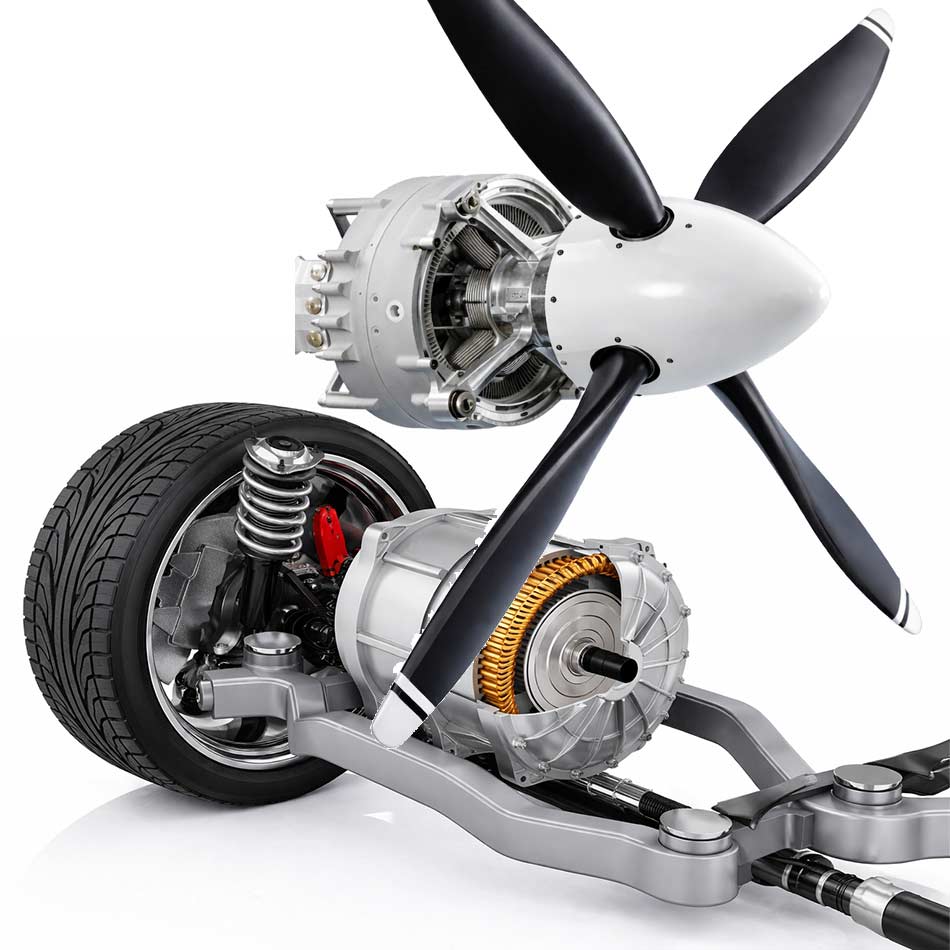
Electric and hybrid propulsion refers to propulsion systems that use electric power —alone or combined with conventional fuel engines— to drive vehicles such as automobiles and aircraft. These systems reduce fuel consumption, greenhouse-gas emissions and noise levels compared with traditional combustion-only propulsion. Hybrid configurations allow flexible operation by switching between electric and thermal power depending on performance needs, improving overall efficiency. As battery technology and power electronics continue to advance, electric and hybrid propulsion is becoming a key solution for more sustainable transportation.
Embedded electrical actuators not used for the propulsion will also be considered here.
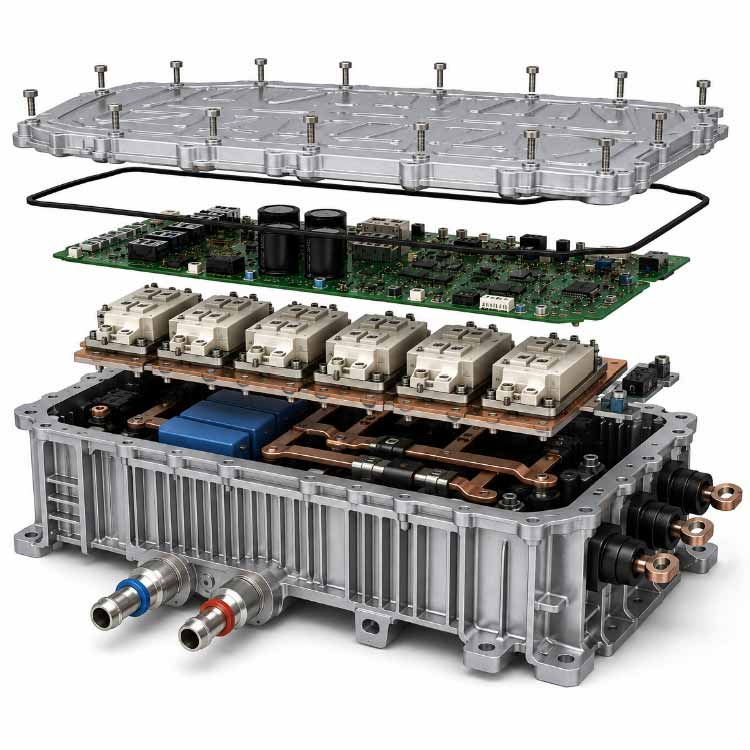
Embedded power electronics refers to the integration of power electronic components —such as converters, inverters and control circuits— directly within electrical systems or devices to manage and optimize energy flow. By embedding these functions close to the load, systems achieve higher efficiency, reduced wiring complexity and improved reliability. This approach is widely used in applications such as electric vehicles and aerospace equipment, where compactness and performance are critical.
Electric and hybrid propulsion refers to propulsion systems that use electric power —alone or combined with conventional fuel engines— to drive vehicles such as automobiles and aircraft. These systems reduce fuel consumption, greenhouse-gas emissions and noise levels compared with traditional combustion-only propulsion. Hybrid configurations allow flexible operation by switching between electric and thermal power depending on performance needs, improving overall efficiency. As battery technology and power electronics continue to advance, electric and hybrid propulsion is becoming a key solution for more sustainable transportation.
Embedded electrical actuators not used for the propulsion will also be considered here.
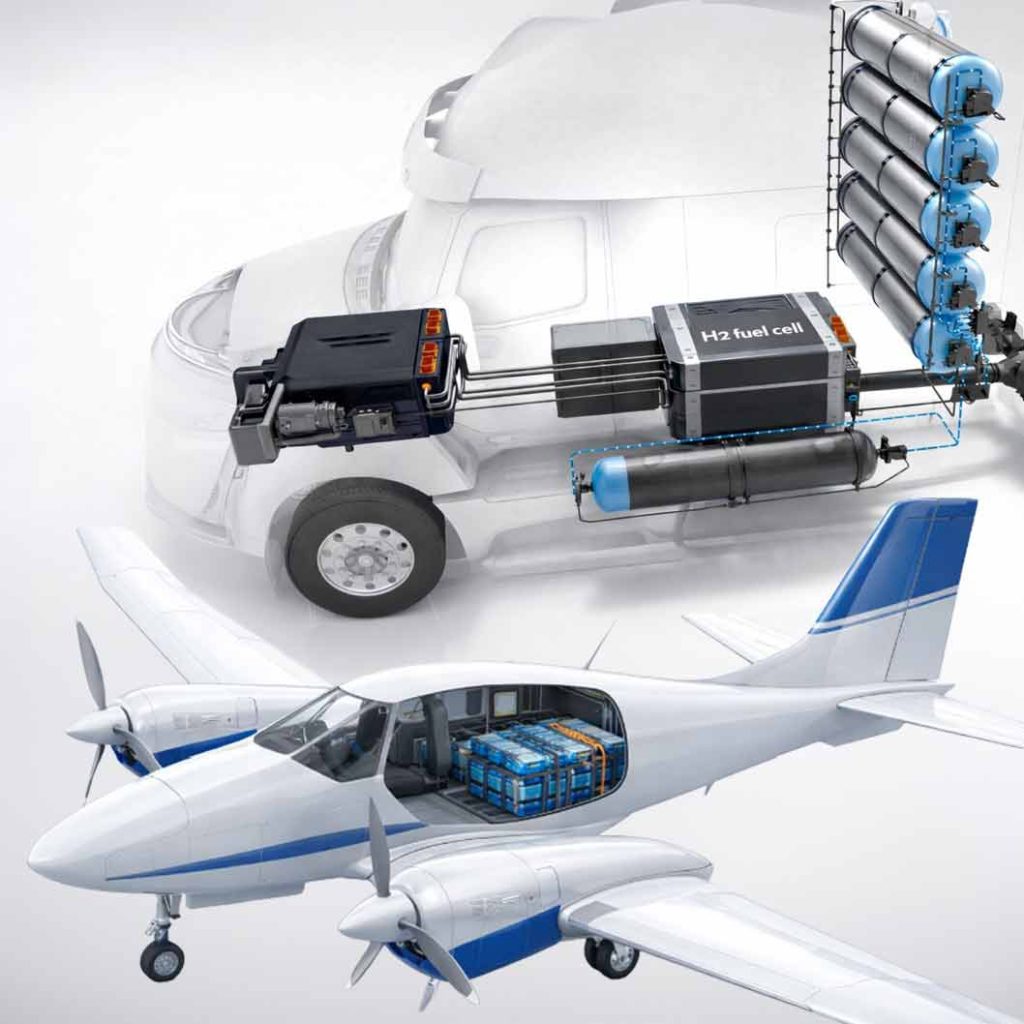
Battery (Solid – semi-solid – liquid), supercapacitor, and fuel cell (mainly hydrogen ones) embedded energy sources combine multiple onboard storage technologies to deliver flexible and efficient power within integrated systems. Batteries provide high energy density for sustained operation, supercapacitors supply rapid bursts of power and absorb transient loads and hydrogen fuel cells generate electricity for long-duration missions. By coordinating these complementary sources, systems can achieve improved performance, longer autonomy and enhanced reliability. Such hybrid embedded energy architectures are increasingly applied in electric vehicles, more electric aircraft and advanced autonomous equipment.
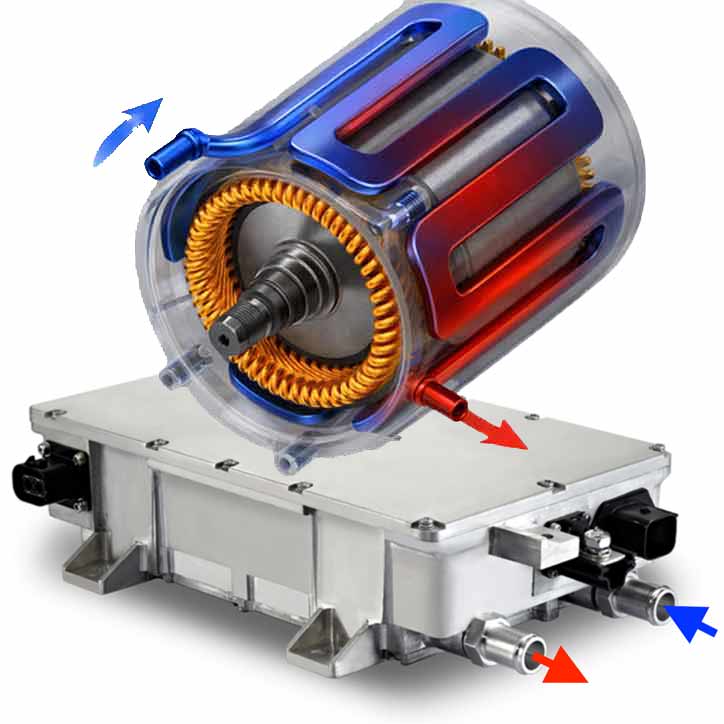
Electrical energy and thermal management focuses on the efficient generation, distribution and use of electrical power while controlling the heat produced by electrical components and systems. Effective thermal management —through cooling techniques, heat sinks or advanced materials— prevents overheating, maintains performance and extends equipment lifetime.
As power densities increase in applications such as road and air vehicles, the integration of electrical and thermal design becomes essential. Optimizing both energy efficiency and heat dissipation ensures reliable and sustainable operation of more electric transportation.
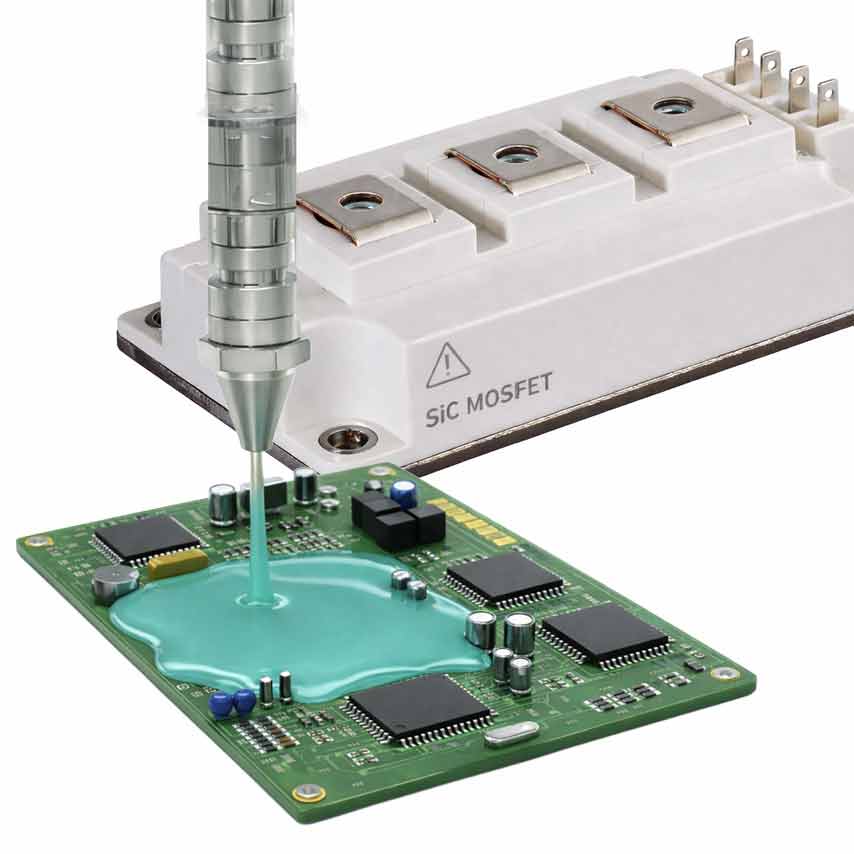
New semiconductor components and new materials (insulators, dielectrics, magnetic materials) are driving major advances in the performance, efficiency, miniaturization and high operating voltage level (e.g., 800V or more) of modern electronic and power systems. Emerging materials such as wide-bandgap semiconductors (e.g., silicon carbide and gallium nitride) enable devices that operate at higher voltages, temperatures, and switching frequencies than traditional silicon technologies.
These innovations improve energy efficiency, reduce system size and enhance reliability in applications such as electric mobility. Continued research in advanced semiconductor materials is expected to support the next generation of high-performance and sustainable electronic technologies.
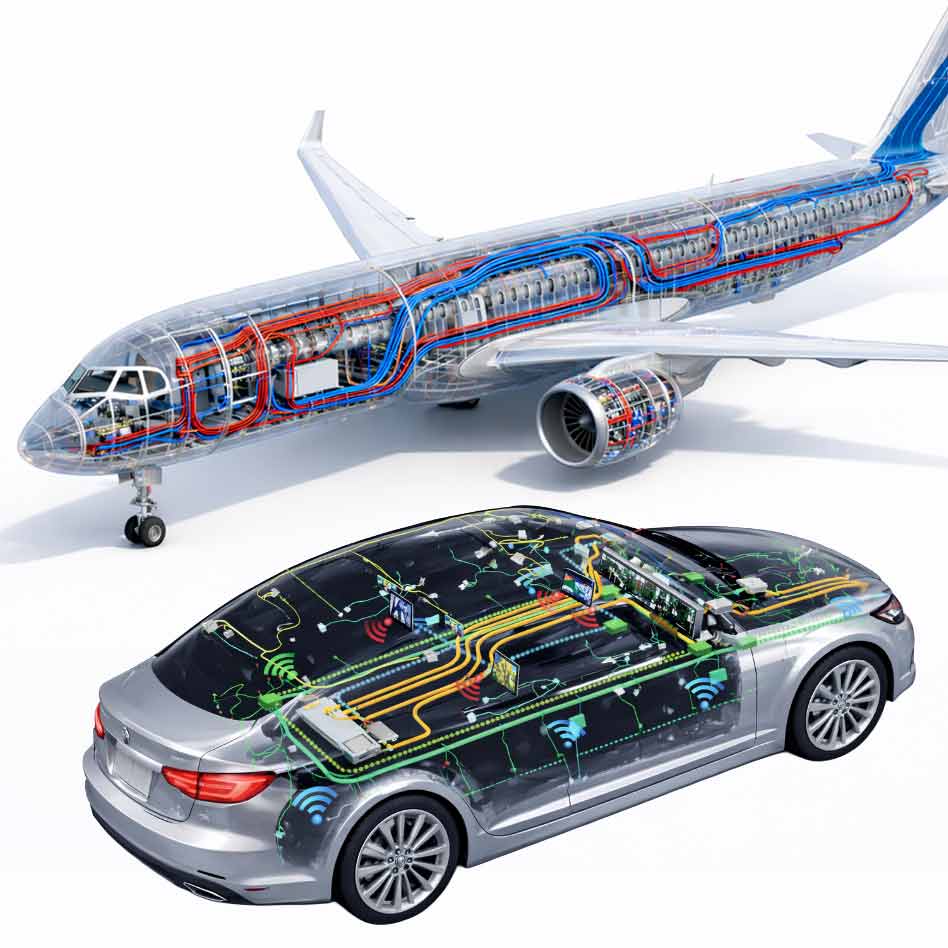
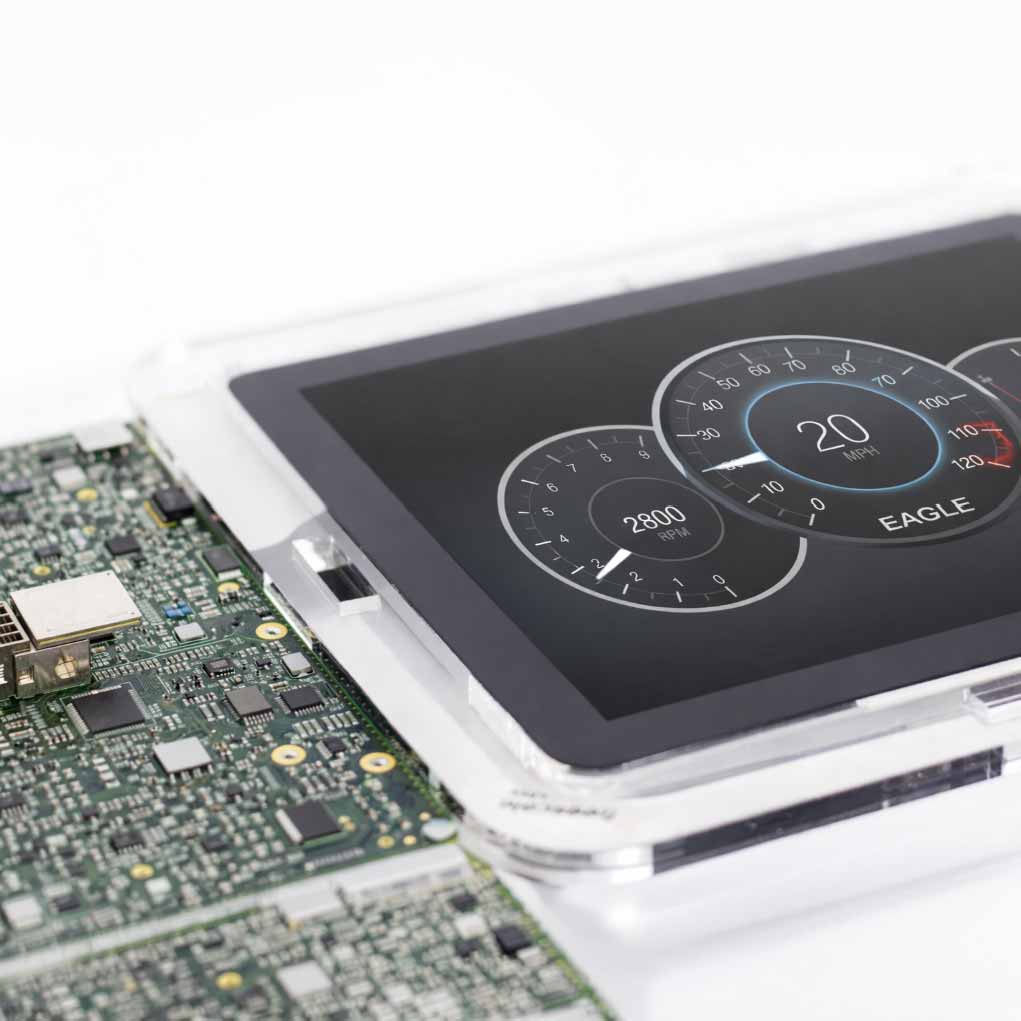
Electrical and electronic architecture in electromobility refers to the structured organization of power distribution, control units, communication networks and energy management systems within electric vehicles. This architecture coordinates components such as batteries, power electronics, electric motors, sensors and onboard computing to ensure efficient and reliable operation.
Advanced architectures increasingly rely on high-voltage platforms, centralized computing and fast communication buses to optimize performance and reduce system complexity. Well-designed electrical and electronic architectures are essential for improving vehicle efficiency, safety, connectivity and scalability in next-generation electric mobility solutions.
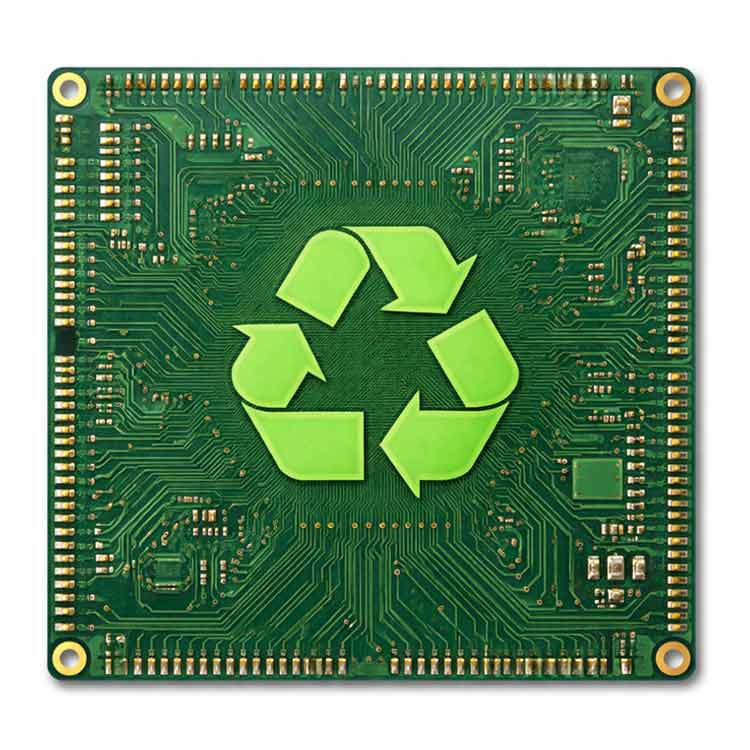
Ecodesign and circularity applied to road and air transportation focus on developing vehicles and mobility systems that minimize environmental impact throughout their entire life cycle. Ecodesign approaches optimize material selection, energy efficiency, durability and ease of maintenance, while circular strategies promote reuse, remanufacturing, and recycling of components such as batteries and electrical equipment.
These principles help reduce resource consumption, waste generation and greenhouse-gas emissions associated with transportation systems. By integrating ecodesign and circularity, the mobility sector can move toward more sustainable, cost-efficient and resilient transportation solutions.