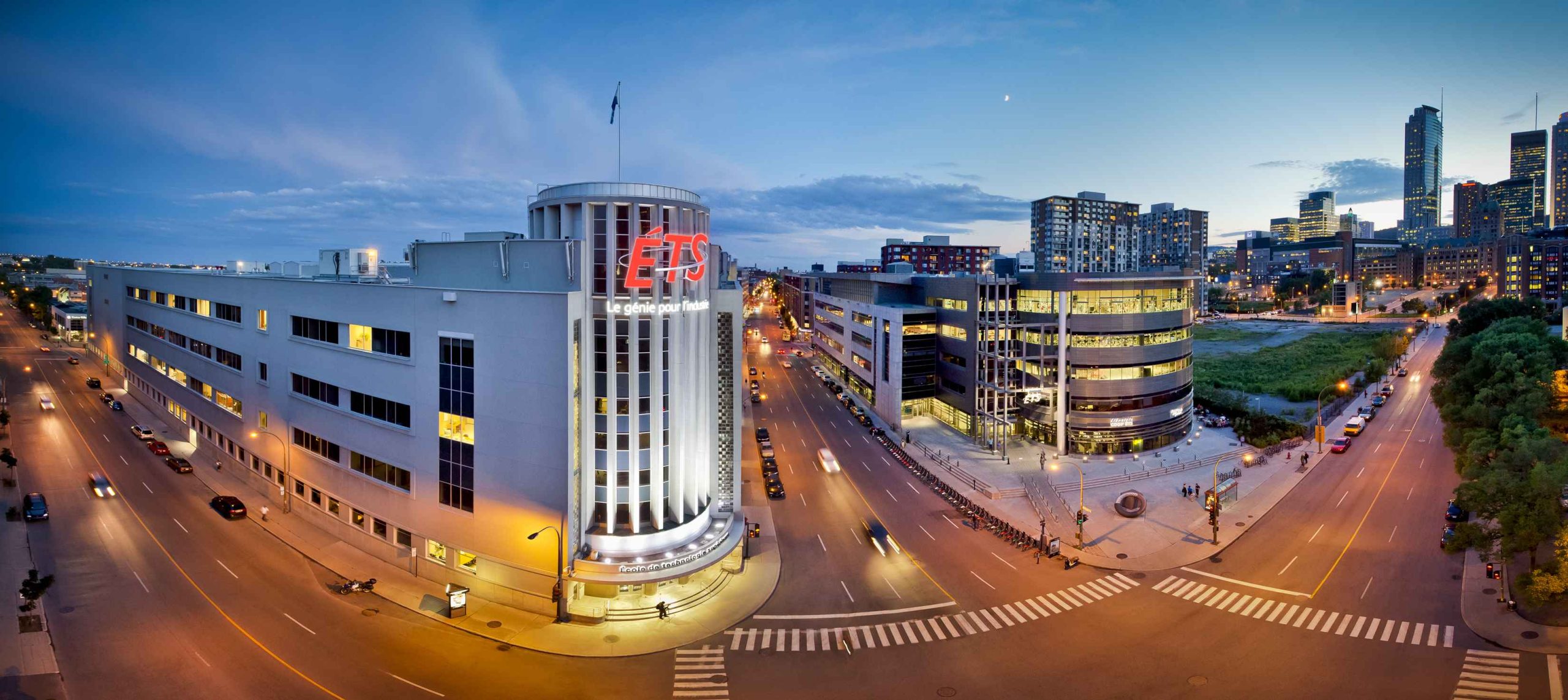
Highlighting sustainable innovation in electrical engineering! EA²GLE Graduate School teamed up with ÉTS and the Université de Toulouse in Montreal for the CONFREGE conference, hosting a high-impact day dedicated to the future of transport electrification—from cutting-edge research to human factors.
A look back at the CONFREGE conference (Francophone Conference on Ecodesign and Development in Electrical Engineering), organised jointly by the École de technologie supérieure (ÉTS) and the Université de Toulouse in Montreal, with the support of the SEE – Société de l’électricité et de l’électronique and IEEE Montreal.
The EA²GLE Graduate School (Electrification of Aircraft and Automobiles Graduate School of Toulouse) organised a first day of invited talks dedicated to the electrification of transport. This day covered a very broad spectrum, ranging from scientific research to human factors: high-power-density motors (GREEN | Groupe de Recherche en Énergie Électrique de Nancy), trends in electrical systems and architectures in aeronautics (Safran), certification of electric aircraft (BETA TECHNOLOGIES), challenges in electrochemical storage for electric mobility (CIRIMAT), mitigating the materials crisis through decision intelligence and circularity (Polytechnique Montréal), assessing the accelerated transition to electric vehicles through the lens of Social Life Cycle Assessment (Université Paris Cité) and Université de Toulouse), and the acceptability of new forms of mobility (UQAM | Université du Québec à Montréal).
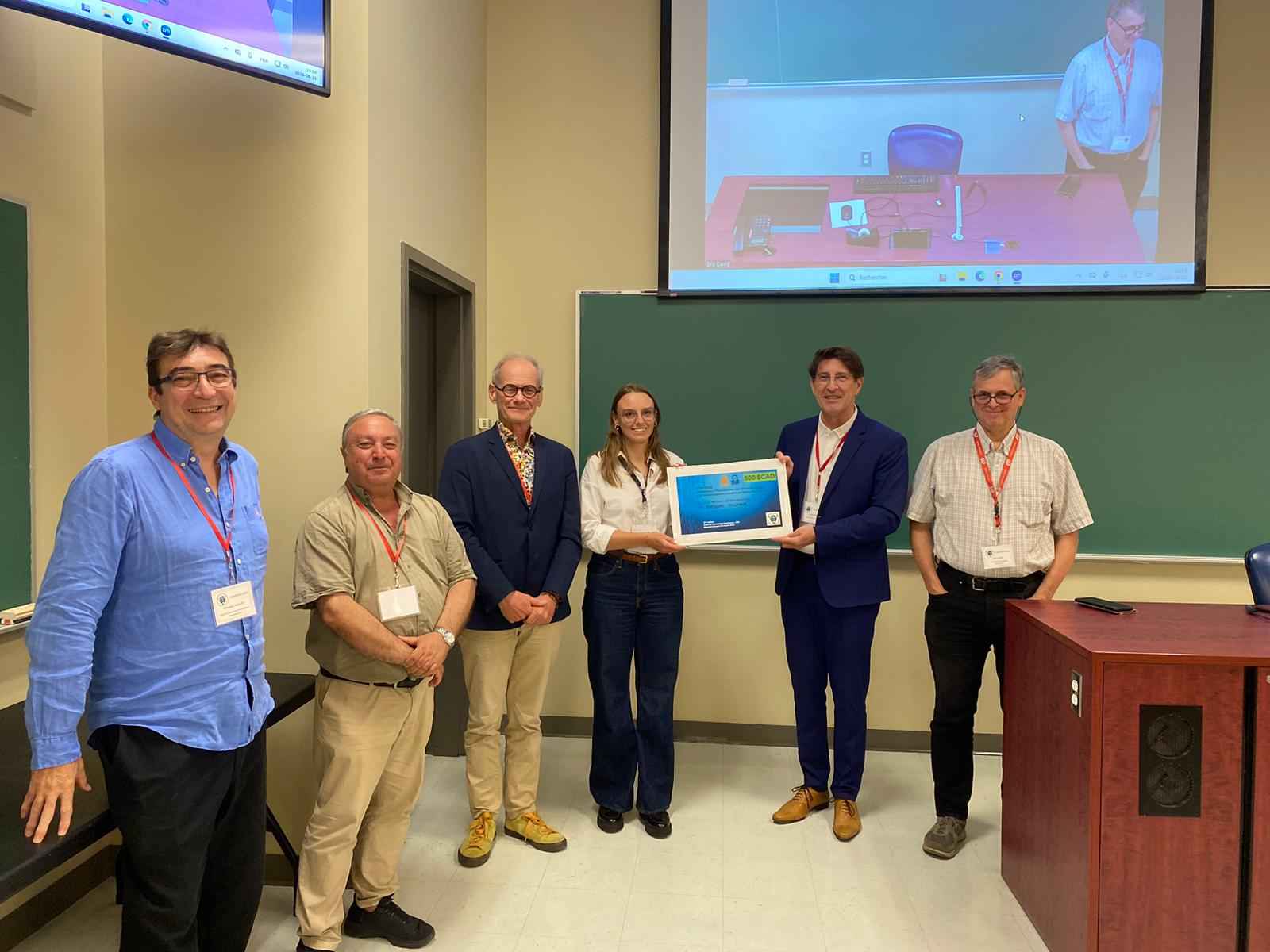
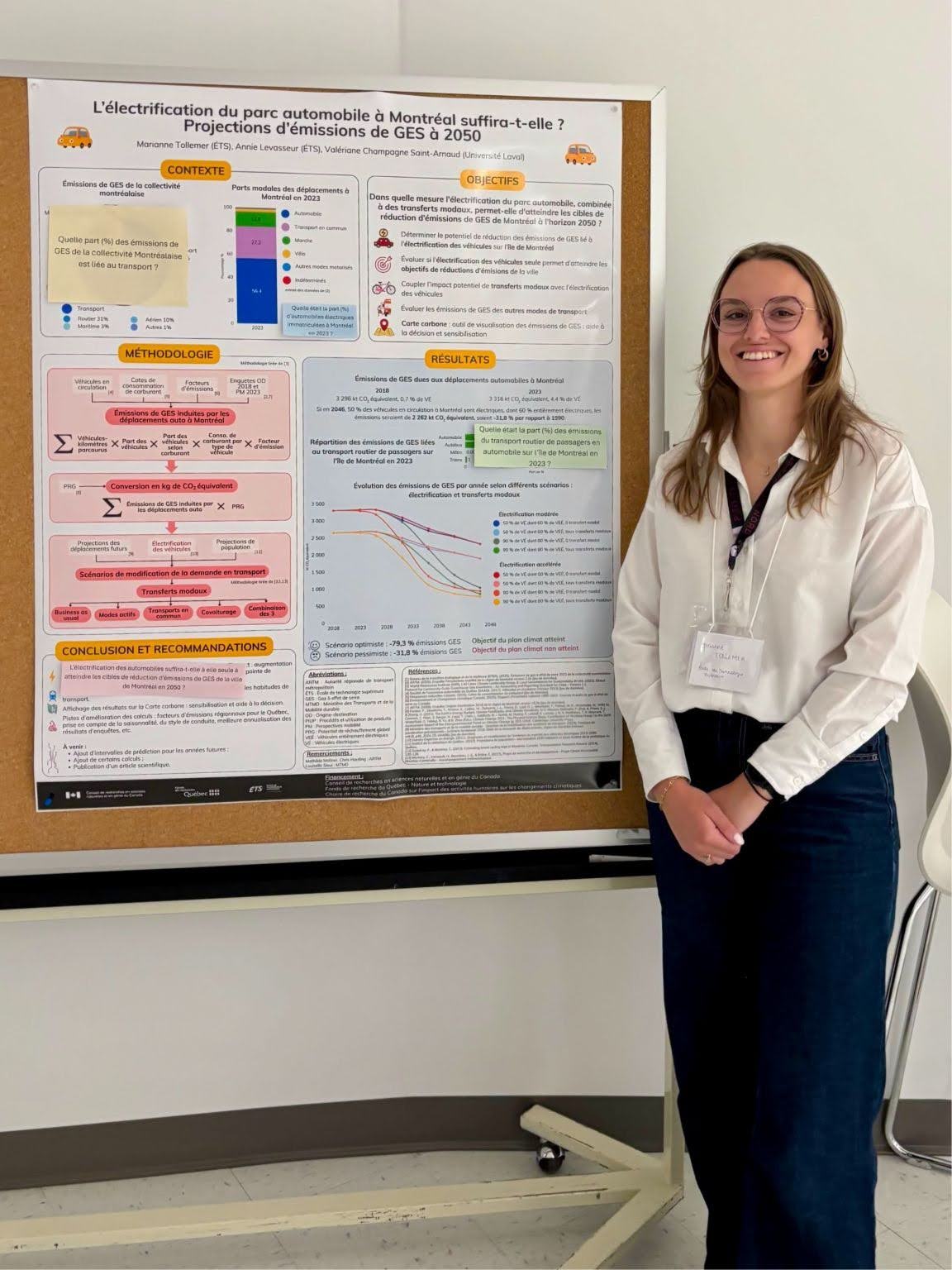
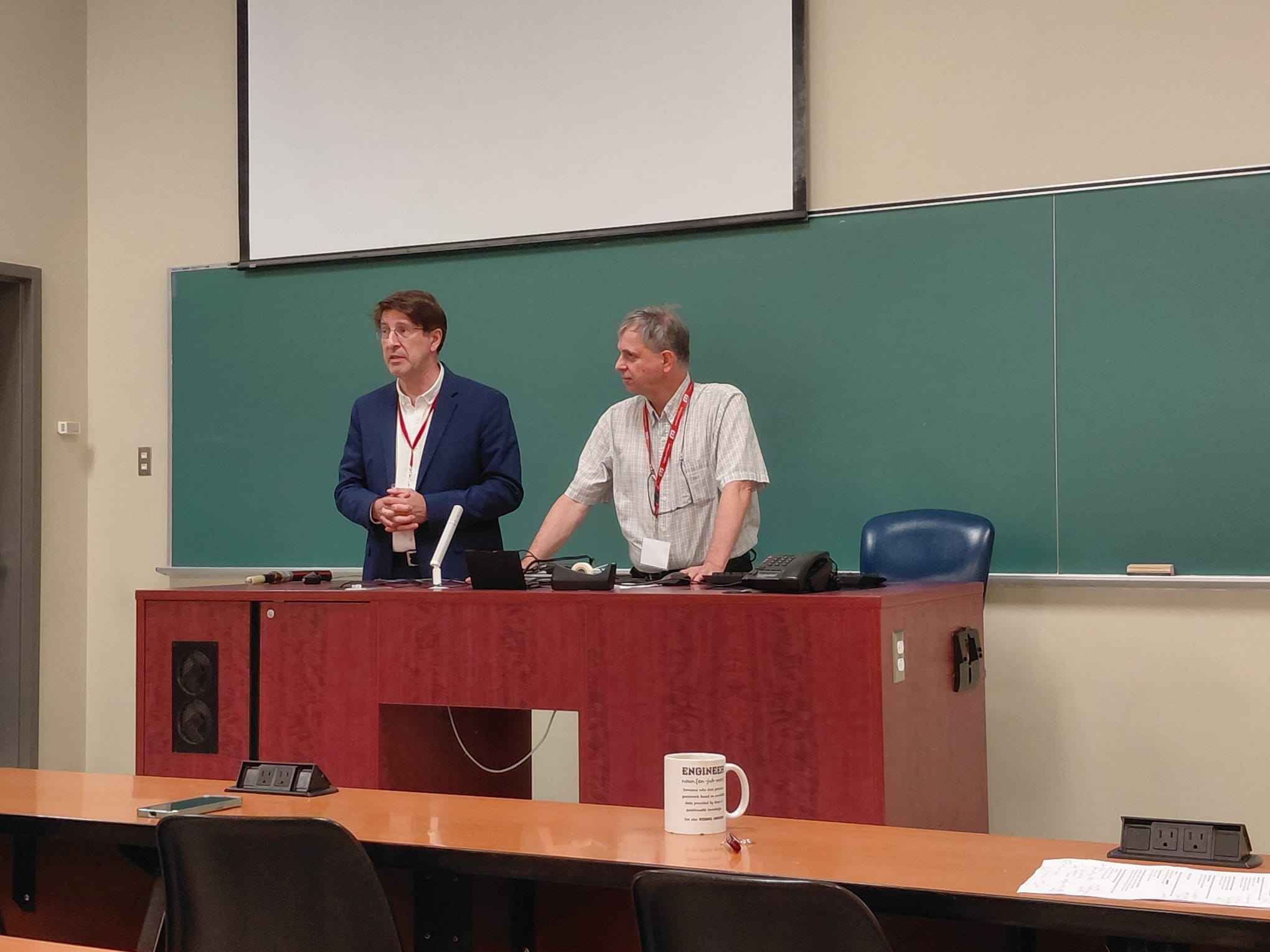
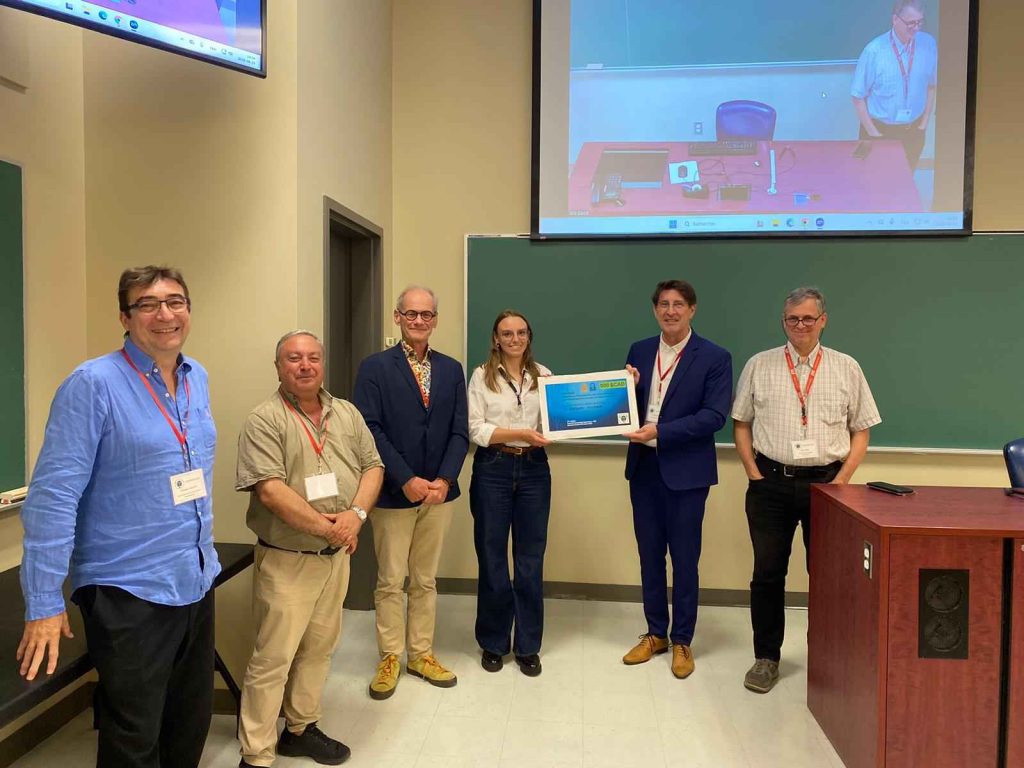
Many thanks to Eric David for organising the event locally, to Jean-François Boland for his welcome address, and to all the speakers at today’s event: Smail Mezani, Etienne Florin, Charles Gervais-Dumont, Patrice Simon, Samira Keivanpour, Hassan Aithaddou and Benoit Genest. And let’s not forget to congratulate Marianne Tollemer on winning the prize for the best poster in the student competition, the title of which was: “Will the electrification of Montreal’s vehicle fleet be enough? Greenhouse gases emissions projections for 2050”.